



Would You Buy from a Marketplace Where You’re Unsure If the Seller Is Genuine?
Imagine yourself as a customer scrolling through an online marketplace, finding the perfect deal, but hesitating before hitting that “Buy Now” button. Why? Because you’re not sure if the seller is real or if you’re about to get scammed. This uncertainty is a major roadblock for both buyers and marketplace owners.
The truth is, fraudulent sellers are a growing problem in online marketplaces. From fake products to outright scams, bad actors take advantage of anonymity, damaging trust and credibility. But there’s a solution seller identity verification. By verifying sellers, marketplaces can create a safe, trustworthy environment where customers feel confident making purchases.
The Growing Risk of Fraudulent Sellers
Why Fraud Happens on Marketplaces
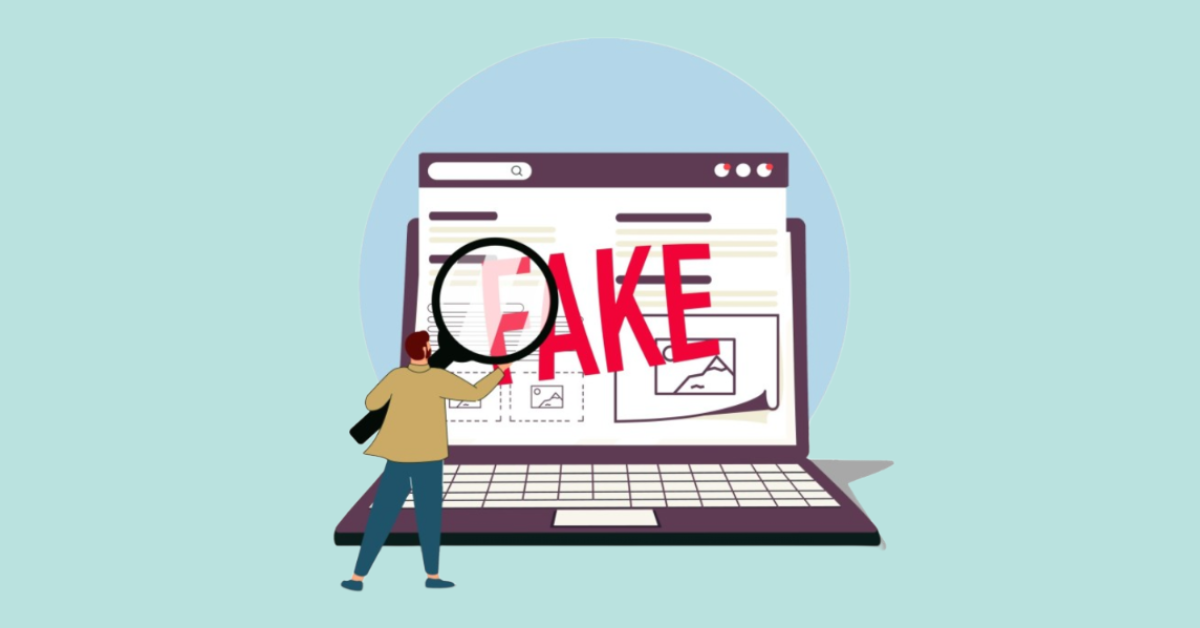
Marketplaces thrive on the ease of setting up a shop, but this same ease also invites fraudsters. Many platforms allow anyone to start selling with minimal checks, opening the door to scammers who disappear after taking customers’ money. Some sell counterfeit goods, while others manipulate reviews to deceive buyers.
Impact on Buyers
Fraudulent sellers don’t just cause inconvenience; they lead to real financial losses. Customers might receive fake products, get charged for undelivered items, or struggle with refund claims. This negative experience makes buyers hesitant to return, ultimately affecting the marketplace’s long-term success.
Impact on Marketplaces
Trust is everything in e-commerce. If a marketplace gains a reputation for scams, customers leave, and legitimate sellers suffer. When fraud goes unchecked, customer retention drops, brand reputation takes a hit, and revenue declines.
What Is Seller Identity Verification?
Definition
Seller identity verification is the process of confirming that a seller is legitimate before allowing them to operate on a marketplace. It often involves document verification, business registration checks (Know Your Business – KYB), or personal identity confirmation (Know Your Customer – KYC).
How It Works
Marketplaces use several verification methods to ensure seller authenticity:
- Document-Based Verification: Sellers upload IDs, business licenses, or tax documents.
- Bank Account Linking: Verifying banking details to confirm legitimacy.
- Real-Time Address Validation: Matching seller details with public records.
Why It’s Essential
A verified marketplace is a safer marketplace. Identity verification reduces scams, ensures compliance with regulations, and builds customer trust. When buyers see that a platform takes seller verification seriously, they shop with confidence.
Benefits of Seller Identity Verification for Marketplaces

1. Building Trust Between Buyers and Sellers
When buyers know they are purchasing from verified sellers, they shop with ease. Trust leads to more sales and a better customer experience.
2. Improving Product Quality Assurance
Fake products are a nightmare for customers and marketplaces alike. Identity verification ensures that only legitimate businesses sell on the platform, reducing counterfeit goods.
3. Enhancing Marketplace Credibility
A marketplace known for fraud will lose both buyers and sellers. By enforcing identity checks, marketplaces build a reputation as a reliable and safe shopping destination, attracting more users.
How Identity Verification Helps Customers
1. Safer Transactions
Buyers can shop confidently, knowing that verified sellers are less likely to disappear with their money or send subpar products.
2. Transparency in Seller Profiles
Displaying verification badges on seller profiles reassures customers that the marketplace has vetted the vendor.
3. Protection Against Fraudulent Reviews
Identity verification discourages fake accounts and manipulated reviews, ensuring honest feedback for better shopping decisions.
Overcoming Challenges in Implementing Identity Verification
1. Balancing Security with User Experience
A long, complicated verification process might frustrate genuine sellers. The key is to make verification thorough but smooth, with clear instructions and quick approvals.
2. Offering Flexible Verification Options
Different sellers have different needs. Providing multiple verification methods-such as document uploads, biometric checks, or video verification-ensures a seamless process for all.
3. Automation for Scalability
Large marketplaces can’t manually verify every seller. AI-powered verification tools can speed up the process, ensuring efficiency without compromising security.
Real-Life Examples of Successful Seller Verification
Amazon’s Seller Verification Process
Amazon requires new sellers to go through identity verification, including submitting ID documents and linking bank accounts. This helps weed out fraudulent sellers before they can list products.
How Smaller Marketplaces Benefit from Verification Tools
Even smaller platforms benefit from identity verification. Many integrate third-party verification services to authenticate sellers quickly, boosting trust and credibility.
How MultiVendorX’s Seller Identity Verification Module Can Help
Trust is a relative term but what powers a successful marketplace is assurance.
With the MultiVendorX Seller Identity Verification module, marketplace owners can ensure a safer, scam-free shopping experience. This feature empowers you to screen vendors before they go live, using robust verification options such as:
- Address Proof
- Identification Documents
- Social Media Presence
Once verified, vendors receive Vendor Badges that are visible to customers a simple but powerful signal of trust.
How It Works
Setting up verification is easy:
- Enable the Module:
From the Admin Dashboard, go to the MultiVendorX > Modules section. Under Seller Management, enable the Seller Identity Verification module. - Configure Your Verification Settings:
- Enable options like Address Verification and Identity Verification.
- Choose to restrict dashboard access for unverified vendors.
- Use social media login APIs for automatic social verification.
- Enable options like Address Verification and Identity Verification.
- Verify Vendor Submissions: Vendors can upload their documents via the Vendor Dashboard under Store Settings > Verification. Admins can then approve or reject based on the documents submitted.
- Display Trust Badges: Once verified, vendors and their products are marked with Verified Vendor Badges, assuring customers of their credibility.
This system not only keeps fraudsters away but also encourages trustworthy sellers to thrive, creating a win-win for everyone involved.
Conclusion: A Safer Marketplace Starts with Trust
Seller identity verification isn’t just an added feature, it’s a necessity for a secure and thriving marketplace. By verifying sellers, marketplaces can protect customers, enhance credibility, and build long-term trust.
What’s Next?
If you run a marketplace, now is the time to implement a robust identity verification system. Your customers and your platform’s future will thank you for it!