



Why Niche Marketplaces Are the Future

Think about your own shopping habits for a second. When you’re looking for something specific maybe eco-friendly beauty products, athletic wear designed just for women, or handcrafted pet accessories, do you head to a massive, general marketplace where you have to sift through thousands of unrelated items? Or do you look for a platform that specializes in exactly what you need?
That’s the magic of a niche marketplace, a platform that focuses on a specific category or audience, offering a more curated, personalized experience. Unlike big-box marketplaces that try to be everything to everyone, niche marketplaces speak directly to a well-defined group of customers. They offer products that align with particular lifestyles, interests, or values and as a result, they build trust faster and create stronger communities.
This approach doesn’t just help shoppers. It also makes life easier for marketplace owners. When your audience and product range are focused, it becomes simpler to manage vendors, tailor your messaging, and stand out from the competition.
The best part? You don’t need to be a big tech company to create one. With MultiVendorX, you can build a fully functional niche marketplace right on WordPress. Whether you’re passionate about a certain product category or you see a market gap waiting to be filled, MultiVendorX gives you the tools to bring your vision to life, with no need to code or hire a development team.
So if you’ve been thinking about launching your own marketplace business, now’s the time to go niche and go big. Let’s show you how.
Choose Your Niche and Understand Your Audience
Before you start building your marketplace, take a moment to think: “Who exactly is this for?”
This is where choosing a niche becomes crucial.
Instead of trying to compete with giant marketplaces like Amazon or Walmart by selling everything under the sun, it’s smarter to focus on a specific category and do it really well. That’s the power of a niche marketplace.
Think about areas you’re passionate about or markets you see growing demand in. Maybe it’s sustainable home goods, fitness gear for women, grooming products for men, or pet accessories. The more focused your marketplace is, the easier it becomes to build a loyal customer base.
Once you’ve chosen your niche, the next step is to get to know your audience inside out.
Ask yourself:
- What are their specific needs and preferences?
- What problems are they trying to solve?
- What kinds of products do they wish were easier to find or compare in one place?
You don’t need to guess. Dive into online communities like Reddit, Quora, or niche Facebook groups. Read product reviews, run quick surveys, or even reach out directly to potential customers. Every insight helps.
When your marketplace speaks directly to a specific group of people and solves a clear problem for them, it builds trust. You’re no longer just another online store, you’re the place they go to for what they care about most.
By narrowing your focus, you don’t limit yourself you position your brand as the expert, and that’s what keeps customers coming back.
Set Up Your WooCommerce + MultiVendorX Store

Now let’s get technical, but not too technical!
Start with a WordPress website. Then, install WooCommerce, which gives you a solid eCommerce base. Next, add MultiVendorX, which turns your store into a full-fledged multi-vendor marketplace.
To get MultiVendorX Up and Running, you don’t need to be a developer or tech wizard to get started – trust us, this is simpler than assembling IKEA furniture.
Here’s how to get started:
- Head over to your WordPress dashboard.
- Navigate to Plugins > Add New.
- Search for “MultiVendorX”.
- Click Install Now, then hit Activate.
Once activated, you’ll be greeted with a friendly setup wizard. This will guide you step-by-step through the basics – setting up essential pages, deciding how your vendors will work, and customizing the appearance of your marketplace. Think of it as a quick onboarding tour for your new booking empire.
Pick a theme that fits your niche. If you’re selling clothes, go for a trendy layout. If it’s beauty products, choose something clean and elegant.
Finally, set up your basic settings: payment options, taxes, shipping zones, and product categories.
Customize the Vendor Experience for Your Niche
Your vendors are the heart of your marketplace. If they succeed, your marketplace grows. That’s why it’s important to give them an experience that feels easy, helpful, and tailored to their needs.
With MultiVendorX, you’re not stuck with a one-size-fits-all setup. You can actually customize the vendor dashboard to suit the specific needs of your niche.
Let’s say you’re building a fashion marketplace. Instead of asking vendors to just upload a product title and price, you can add fields like size, color, material, or style. This makes it easier for vendors to showcase their products properly and for customers to find exactly what they’re looking for.
Or imagine a marketplace for skincare. You can include options for ingredients, skin type compatibility, product usage instructions, and more. These details matter to your customers and help your vendors list products that are both informative and trustworthy.
You can also go one step further and build a smooth onboarding flow for new vendors. Think of this as a mini tour that walks them through how to add products, set prices, manage orders, and even follow your marketplace policies. You can include tooltips, sample listings, or quick-start videos, whatever makes it easier for them to hit the ground running.
When vendors feel supported from day one, they’re more likely to stick around, sell more, and even promote your marketplace themselves.
Curate and Organize Products Effectively
Once your vendors start adding products to your marketplace, your job shifts to something just as important: making sure customers can find what they’re looking for quickly and easily.
This isn’t just about listing items. It’s about creating a shopping experience that feels intuitive and enjoyable.
Start by organizing products into clear, logical categories. For example, if you’re running a beauty marketplace, group items under categories like Skincare, Haircare, Makeup, or Fragrances. From there, you can go even deeper with filters like brand, skin type, price range, or ingredients. If it’s a fashion marketplace, filters like size, color, fabric, and style are must-haves.
But don’t stop there, add a touch of curation. Think seasonal collections or themed sections like “Summer Essentials,” “Vegan Beauty Picks,” “Back-to-School Must-Haves,” or “Holiday Gifting.” These curated groups make browsing feel personal and relevant. Customers love it when you help them discover what they didn’t know they needed.
Why does all this matter? Because the easier and faster it is for shoppers to find what they want, the more likely they are to make a purchase and come back for more.
A messy product catalog can turn even the most interested customer away. A well-organized, thoughtfully presented collection keeps them engaged and builds trust in your brand.
Focus on Visual Appeal and User Experience
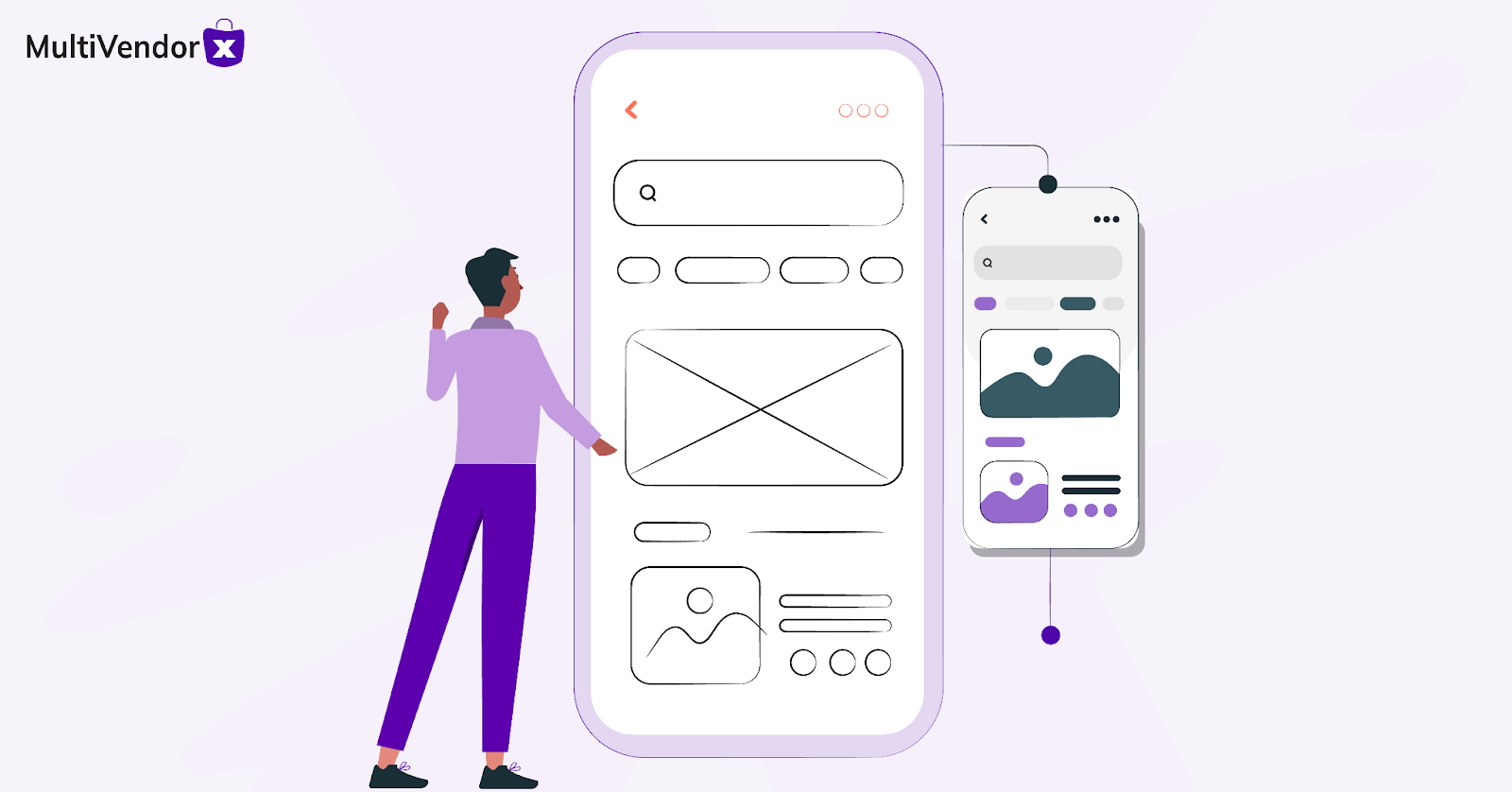
When someone visits your marketplace for the first time, they’re making snap judgments usually within seconds. That’s why visual appeal and user experience matter more than you might think.
A clean, modern design builds immediate trust. High-quality product images help customers visualize what they’re buying, especially in categories like fashion, beauty, or home goods where details really matter. And fast-loading pages? They’re not just a nice-to-have slow websites lead to lost sales and frustrated users.
Look at successful US-based niche marketplaces like Chewy (for pet products) or StockX (for sneakers). What do they have in common? Their websites are intuitive, visually appealing, and built with mobile users in mind. The shopping experience feels seamless whether you’re browsing on a laptop or scrolling on a phone.
So what can you do to match that level of quality?
- Use crisp, well-lit product photos with zoom features.
- Stick to a layout that’s clean and uncluttered, don’t overwhelm visitors with too much information at once.
- Make sure your site is responsive, meaning it works just as smoothly on phones and tablets as it does on desktops.
Also, guide your customers by highlighting bestsellers, trending products, and featured vendors. This not only helps shoppers make quicker decisions but also adds a layer of trust, people tend to explore what others are buying.
At the end of the day, your marketplace should be more than functional, it should be enjoyable to use. That’s what keeps customers coming back.
Enable Ratings, Reviews, and Social Proof
Think about the last time you shopped online. Did you buy something without checking the reviews?
Probably not, and your customers are no different.
In today’s marketplace, people trust people more than brands. That’s why enabling ratings and reviews on your products isn’t just a nice-to-have, it’s essential.
With MultiVendorX, you don’t need to install a bunch of extra tools. It already comes with built-in features that let customers rate products, write reviews, and share their experiences. These reviews help new shoppers feel more confident because they’re hearing directly from other buyers, not just your vendors.
But why stop at written feedback?
You can take social proof even further by encouraging customers or influencers to share photos or videos of themselves using the products. A customer showing off a new outfit or sharing their skincare routine with your product in the frame does more than any ad ever could. It builds real-world trust.
You can even feature these visuals on your homepage or product pages to show new customers that people are not only buying your products, they’re loving them.
In short: let your happy customers do some of the selling for you. The more positive buzz, photos, and reviews people see, the more likely they are to buy.
Build Trust Through Seamless Checkout and Policies
Let’s face it, no matter how beautiful your marketplace is, if the checkout process is clunky or confusing, people will leave before completing their purchase. That’s why a smooth, intuitive checkout experience is non-negotiable.
Think of checkout as the final handshake, it should feel easy, secure, and reassuring.
Make sure your marketplace offers:
- Multiple, familiar payment options like credit/debit cards, PayPal, Apple Pay, or even Buy Now, Pay Later services depending on your audience.
- A clean, minimal checkout page with no unnecessary distractions.
- Transparent delivery information, including estimated shipping times and tracking. Customers want to know exactly when and how their orders will arrive.
Beyond checkout, your return and refund policies play a huge role in building trust especially with first-time buyers. These policies should be:
- Easy to find (not buried in the footer),
- Clear and specific, and
- Tailored to your niche.
For example:
- If you’re running a fashion marketplace, offering 7–14 day returns is standard. People often need to try things on.
- If you’re selling skincare or hygiene products, you may need stricter no-return rules for safety reasons but explain why clearly and kindly.
Good policies don’t just protect your business, they give customers confidence. When people know they can return a product if it doesn’t work out, they’re much more likely to click “Buy Now.”
In short, think of checkout and policies not as admin tasks, but as opportunities to reinforce credibility, reduce friction, and show your customers that you’ve thought of everything.
Promote Your Niche Marketplace

So, your marketplace is live that’s a huge step. But now comes the real challenge: getting people to actually show up and shop.
Just like any store in the real world, your online marketplace needs visibility. You can have the best products and the smoothest user experience, but if no one knows about it, sales will be slow. That’s why promotion is key.
Start by tapping into the audience that already exists. Work with influencers or content creators who speak directly to your target customers. For example, if you’ve built a marketplace for handmade skincare, look for beauty influencers who love natural products. Let them try your vendors’ products and share their honest reviews or tutorials. It’s a great way to build credibility and reach thousands of potential buyers fast.
You should also plan seasonal campaigns or sales events like summer essentials, festive discounts, or New Year deals. Shoppers love urgency and exclusivity, so limited-time offers can help drive conversions.
And don’t underestimate the power of online advertising. Platforms like Instagram, Pinterest, and Google are great for niche marketplaces because they let you target specific interests and demographics. You’re not throwing money into the void, you’re showing up exactly where your audience is already scrolling.
Here’s another smart move: let your vendors run their own promotions. MultiVendorX makes it easy for sellers to offer their own discounts, bundles, or coupon codes. When vendors have tools to attract more buyers, the whole marketplace wins.
In short, promotion isn’t a one-time push, it’s ongoing storytelling. Keep showing up where your audience hangs out, keep giving them reasons to click, and let your vendors help share the load.
Conclusion: Go Deep, Not Wide
Building a niche marketplace is all about focus. Instead of selling everything to everyone, you’re serving a specific group really well. And that’s what helps you stand out.
With WooCommerce, MultiVendorX, and a little creativity, you can launch a powerful, scalable marketplace that speaks directly to your audience.
Already curious about expanding into other models? Check out our guideline on How to Build an Auction Marketplace with MultiVendorX to explore another exciting direction.
Ready to build your niche marketplace? Let’s make it happen with MultiVendorX.