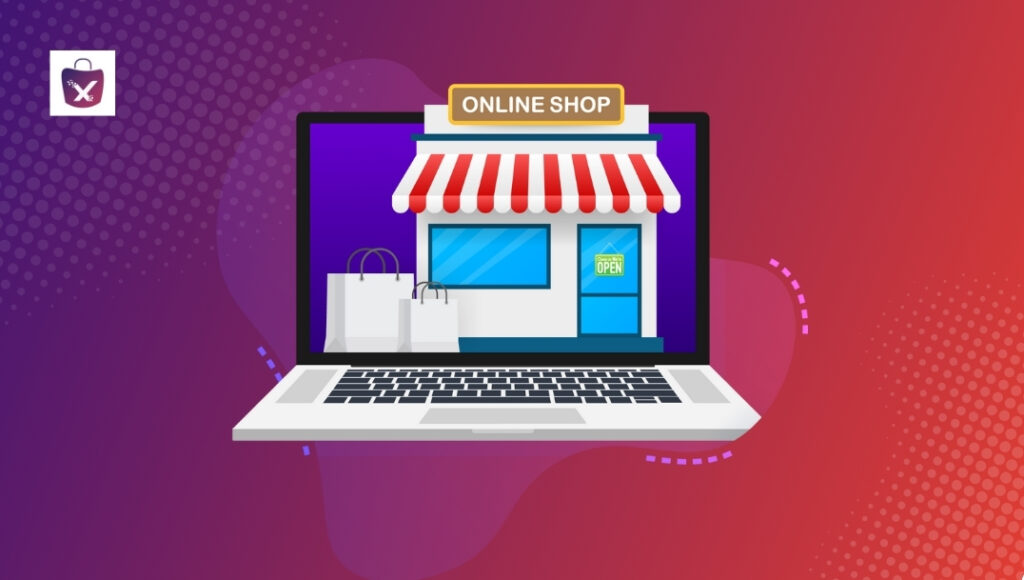




Over the last decade and a half, eCommerce has grown phenomenally, continuing to bolster its presence in every major economy across the globe, whether in the form of an online marketplace or a multi-vendor marketplace. Although the technology and cultural trend initially took root in the United States and Europe, the market has outgrown these regions, expanding rapidly into developing countries like China, South Asia, and the broader Asia-Pacific. As a result, the true power of eCommerce lies in its ability to reach a diverse, globally distributed customer base, not confined to one nation or economic zone but flourishing across continents.
The rise of eCommerce has been nothing short of remarkable. The global market surpassed $6 trillion by 2023, driven by technological advancements, greater internet access, and a growing preference for online shopping. In fact, the sheer convenience and ease of access have made online shopping a way of life for consumers worldwide. But what fuels this ecosystem? What motivates online shoppers, and what do they expect from web stores and marketplaces?
Key Trends Shaping eCommerce in 2024

To stay ahead, eCommerce businesses need to adapt to evolving consumer behaviors and industry trends. Here are the most significant developments shaping the future of online retail:
- Mobile Commerce (M-Commerce) – Mobile commerce is no longer just a rising trend; it’s become a dominant force in the eCommerce industry. With smartphones in nearly every hand, consumers are increasingly using them to browse and purchase products. In 2024, mobile shopping will likely account for the majority of online sales as businesses invest in optimizing their websites and apps for mobile users. Mobile-responsive designs, intuitive interfaces, and faster payment methods are critical to capturing the growing audience of mobile shoppers.
Moreover, features like one-click purchasing, mobile wallets, and seamless integration with delivery services have made mobile shopping more convenient than ever. As mobile internet speeds improve and 5G becomes more widespread, we can expect this trend to continue shaping the future of online shopping. - Social Commerce – Social media has evolved far beyond a platform for communication; it has become a key driver of eCommerce. Social commerce where consumers discover and purchase products directly on social platforms like Instagram, Facebook, and TikTok is quickly gaining ground. These platforms have integrated shopping features that allow users to view product details, make purchases, and even complete transactions without ever leaving the app.
The rise of influencers and user-generated content also plays a pivotal role in this shift. Shoppers trust recommendations from influencers they follow, and brands have tapped into this by creating partnerships that blend social engagement with direct purchasing. In 2024, businesses are expected to continue leveraging social media platforms to not only promote their products but to create immersive shopping experiences that encourage instant buying decisions. - Artificial Intelligence (AI) and Personalization – Artificial Intelligence (AI) is revolutionizing the eCommerce landscape by helping businesses understand and cater to their customers’ preferences like never before. Personalization has become a key element of the online shopping experience, and AI makes it possible by analyzing user behavior, purchase history, and browsing patterns to offer tailored product recommendations.
In addition, AI-powered chatbots are streamlining customer service, providing quick responses to inquiries and helping resolve issues in real-time. These virtual assistants operate 24/7, enhancing the overall shopping experience by reducing wait times and delivering immediate support. AI also plays a significant role in inventory management, predicting demand trends, and ensuring that popular items are always in stock. As businesses harness the power of AI to improve customer satisfaction, shoppers will increasingly encounter highly personalized experiences that keep them engaged and coming back for more. - Sustainability and Ethical Shopping – In recent years, sustainability has emerged as a critical consideration for both businesses and consumers. Shoppers are becoming more conscious of their environmental impact and are actively seeking out brands that prioritize ethical sourcing, eco-friendly products, and transparent supply chains. In response, many eCommerce businesses have started adopting greener practices, ranging from sustainable packaging to carbon-neutral shipping to meet these expectations.
Additionally, shoppers are paying closer attention to a brand’s ethical practices, including fair labor conditions, responsible sourcing of materials, and corporate social responsibility initiatives. The rise of sustainable and ethical shopping is shaping the future of eCommerce, and brands that embrace these values will build stronger connections with conscious consumers. - The Rise of Omnichannel Retailing – While eCommerce continues to grow, brick-and-mortar retail is not going away anytime soon. Instead, businesses are embracing omnichannel retailing, which merges the physical and digital shopping experiences. Omnichannel strategies allow consumers to browse and shop seamlessly across various touchpoints whether online, on their mobile devices, or in physical stores.
For example, a shopper might browse for products on a brand’s website, add items to their cart, and then complete the purchase in-store using mobile checkout options. Similarly, brands can offer click-and-collect services, where customers order online and pick up their purchases from a physical location. This integration provides greater convenience and flexibility for shoppers, enhancing their overall experience.
Then check out this cool infographic from our partners at Sorcerers.
What to Expect from the Future of eCommerce
As eCommerce continues to evolve, the lines between physical and online retail are blurring. The trends highlighted above mobile commerce, social commerce, AI-powered personalization, sustainability, and omnichannel retailing will shape the future of the industry. Brands that can adapt to these changes will thrive, offering customers a seamless, convenient, and engaging shopping experience.
Ultimately, the power of eCommerce lies in its ability to connect businesses with a global audience. The landscape will continue to change, and staying ahead of these trends will be crucial for businesses aiming to remain competitive in an ever-expanding digital marketplace.nsumer expectations, businesses can thrive in this dynamic market.