



Imagine this: a customer lands on your marketplace, excited to buy that one product they’ve been eyeing for weeks. They click… and boom-“Out of Stock.” Just like that, they bounce. Maybe for good.
Now imagine this happening across several vendors, over and over again.
Painful, right?
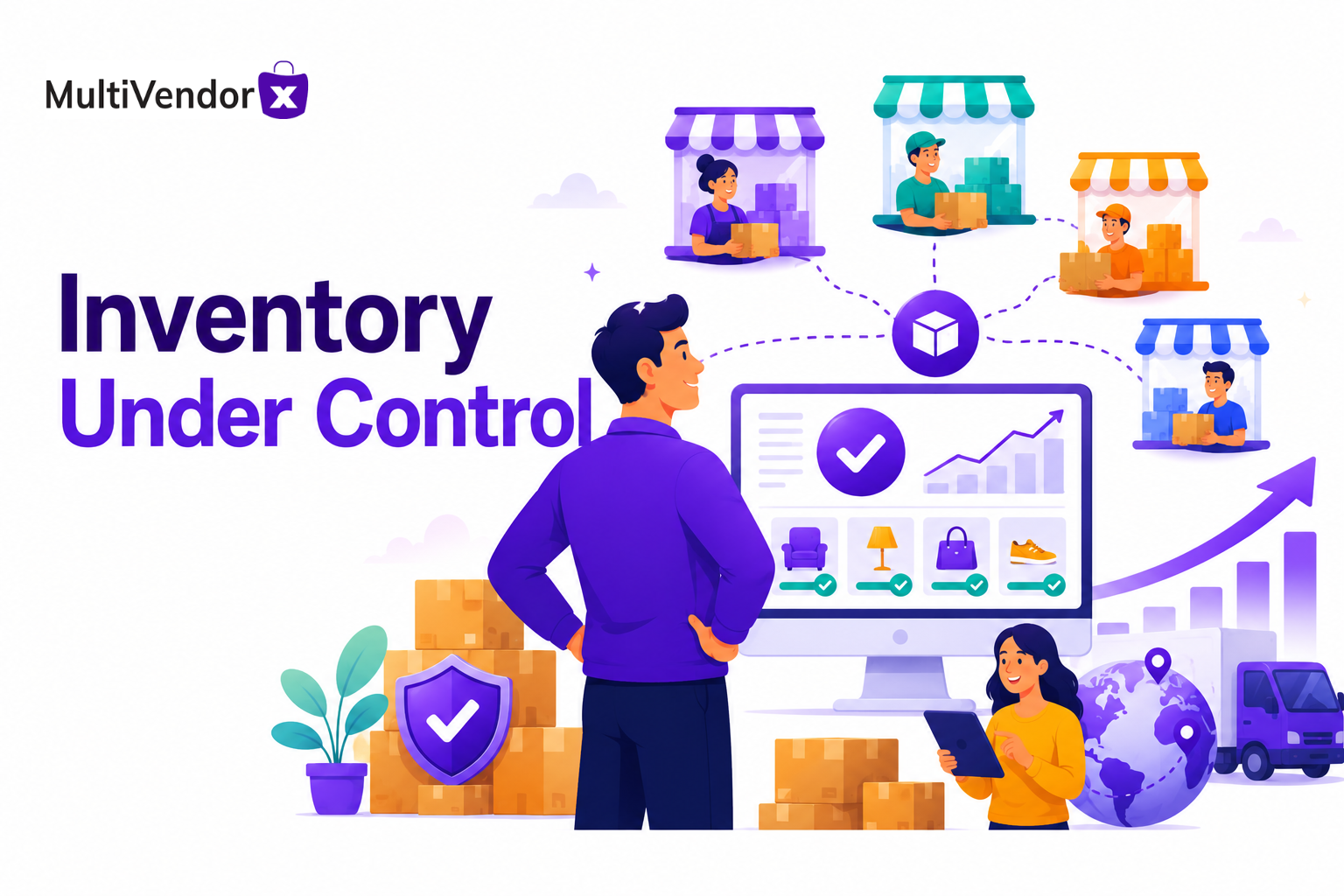
Managing inventory in a marketplace isn’t just about knowing what’s in stock-it’s about being ready at the right moment, for the right person. And that’s where the right tools make all the difference.
Let’s talk about two tools that can completely transform the way you manage inventory in your multivendor marketplace: the Store Inventory module from MultiVendorX, and a clever add-on called Notifima.
Why Inventory Management Deserves More Attention
Inventory may not be the most exciting part of running a marketplace-but it’s one of the most important. It works quietly in the background, but when it’s ignored, the effects are loud and costly.
Imagine this:
A customer finds the product they want. They’re ready to buy. But it’s out of stock. Not only do you lose that sale, but the customer might not come back again.
Meanwhile, the vendor often has no idea the product ran out until it’s too late to restock or update the listing. This creates confusion, delays, and missed opportunities.
Over time, these gaps in inventory management lead to more than lost sales-they chip away at your brand’s credibility. Customers begin to question reliability. Vendors feel frustrated. And trust, once lost, is hard to rebuild.
That’s why inventory deserves more than a backseat. When done right, it keeps your marketplace running smoothly, customers satisfied, and vendors fully in control. Good inventory management means less guesswork and more sales. But more importantly, it means your customers-and vendors-are always in the loop.
Enter the Store Inventory Module by MultiVendorX
Let’s start with the basics. If you’re already using MultiVendorX, good news-you’ve got a powerful inventory management tool built right in.
The Store Inventory module is designed to help vendors stay on top of their stock without constant micromanagement. No manual check-ins, no missed alerts-just automated efficiency.
Smart Alerts That Keep You in Control
As the admin, you can define two important stock thresholds:
Low Stock Alert Limit (e.g., 5 units)
When a product’s quantity drops to this level, the system sends an alert to the vendor (and optionally to you).
This acts as an early warning system-giving vendors time to restock before running out.
Example:
Set the limit to 5, and the vendor gets notified as soon as the stock hits 5 or below.
Out-of-Stock Alert Limit (e.g., 2 units)
This is the final alert-triggered when a product is nearly sold out. It gives vendors a last-minute heads-up to take action before the product becomes unavailable to customers.
Automatic Notifications – No Follow-ups Needed
The moment a product hits either the low stock or out-of-stock threshold, the system automatically sends an email alert to the vendor (and optionally to the admin). There’s no need to manually check inventory levels or constantly follow up with sellers.
Here’s what that means for you:
- ✅ No more chasing vendors to restock: The system handles the reminders, so you don’t have to spend time following up with vendors about inventory gaps.
- ✅ No more daily stock monitoring: Say goodbye to manually checking product levels. Alerts keep everyone informed at the right time.
- ✅ No more surprise “out of stock” issues for customers: Timely notifications help vendors act quickly ensuring products stay available and customers aren’t left disappointed.
In short, it’s a set-it-and-forget-it system that keeps your marketplace running smoothly without the micromanagement.
But Wait, What About the Customers?

The Store Inventory module is amazing for internal coordination. But what happens when a customer wants a product that’s out of stock?
That’s where Notifima steps in-and it’s a game-changer.
Automated Stock Notifications
Notifima lets your customers subscribe to get notified when a product is back. The moment it’s restocked, they get a beautiful, branded email that encourages them to jump back in and buy. It’s like saying, “Hey, it’s back-just for you.”
Intuitive Waitlist Management
You’ll now have a clear view of which out-of-stock products are in high demand. Want to prioritize restocking based on actual interest? Done.
Comprehensive Analytics
Track stock changes, product trends, and user interest. Export the data, analyze what’s hot, and make smarter stocking decisions.
Abandonment Prevention
Ever had a customer drop off during checkout because an item went out of stock? With Notifima, they can simply sign up for a restock alert instead of leaving frustrated.
ReCaptcha Central
No spammy signups. Just real, interested customers-thanks to ReCaptcha integration.
Together, They’re the Dream Team
Here’s the magic:
- Store Inventory handles the vendor side keeping your supply in check.
- Notifima handles the customer side keeping demand alive.
Let’s say a product runs low. Store Inventory sends a heads-up to the vendor. Vendor restocks quickly. Notifima fires off emails to customers who were waiting. Sales bounce back before anyone even notices there was a gap.
Win-win-win.
Why Admins (Like You) Love This Combo

You’re not just fixing stock issues. You’re building a system that runs smoothly one where:
- Vendors are proactive instead of reactive.
- Customers feel heard and valued.
- You get real-time insight into what sells and what doesn’t.
All without lifting a finger every single time stock changes.
Pro Tips to Use These Tools Like a Boss
Want to get the most out of your stock alerts and inventory tools? Here’s how to turn them into a real advantage for your marketplace:
1. Set realistic low-stock limits based on product demand
Don’t just use a default number for every product. Set the low-stock threshold depending on how quickly each item sells. Fast-moving products might need a higher alert limit so vendors have enough time to restock before running out.
2. Customize your Notifima email templates
Your notifications can do more than just inform-they can convert. Add a sense of urgency with phrases like “Almost gone!” or “Restock before demand spikes!” You could even include a small vendor-specific incentive, like offering a discount for restocking high-demand items quickly.
3. Use waitlist data to guide restocking or upselling
If customers are opting into waitlists for out-of-stock products, that’s valuable data. Share this insight with vendors so they know which items to restock first-or suggest similar in-stock alternatives to drive upsells.
4. Encourage quick vendor response to alerts
A fast response means fewer missed sales. Let your vendors know that acting quickly on low-stock or out-of-stock alerts not only keeps customers happy but also helps them stand out from slower competitors.
These small tweaks can make a big difference-improving operations, increasing sales, and creating a better experience for both vendors and buyers.
Final Thoughts: Don’t Just Manage Inventory-Master It
In a world where attention spans are short and competition is everywhere, inventory isn’t just a backend task, it’s a customer experience strategy.
So if you’re running a multivendor marketplace and want to stay ahead:
- Use Store Inventory to keep vendors informed.
- Use Notifima to keep customers engaged.
Because when stock moves smarter, your entire marketplace thrives.Ready to level up your inventory game?
Start with Store Inventory. Install MultiVendorX today and power it up with Notifima. Watch your conversions rise